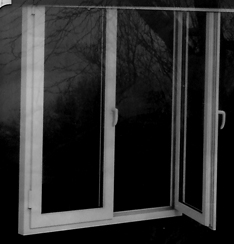
 Glazing
How to Choose Glazing for Your Veranda
Glazing
How to Choose Glazing for Your Veranda
A breakdown of insulated glass unit types, low-E coatings, gas fills, and frame materials suited to Canadian winters.
Read article →Veranda Resources — Canada
Detailed guidance on choosing the right glass, managing airflow, and sealing outdoor living spaces in Canada's variable climate.

Latest Articles
Each article covers a specific aspect of enclosing, glazing, or ventilating an outdoor terrace in a Canadian residential setting.
Glazing
How to Choose Glazing for Your Veranda
A breakdown of insulated glass unit types, low-E coatings, gas fills, and frame materials suited to Canadian winters.
Read article → Ventilation
 Options for Enclosed Terraces
Ventilation
Ventilation Options for Enclosed Terraces
Fixed, operable, and mechanical ventilation strategies that balance fresh air with heat retention in a closed veranda.
Read article → Weatherproofing
Sealing and Weatherproofing a Closed Veranda in Canada
Weatherproofing
Sealing and Weatherproofing a Closed Veranda in Canada
Practical steps for controlling moisture, drafts, and condensation in an enclosed terrace through Canadian freeze-thaw cycles.
Read article →Climate Context
Canada's climate zones range from the mild Pacific coast of British Columbia to the severe continental winters of the Prairie provinces. A veranda glass system in Winnipeg faces very different demands than one in Vancouver. Glazing with low solar heat gain coefficients (SHGC) makes sense in hotter southern regions; in colder zones, higher SHGC glass can contribute passive solar heat during winter months.
Natural Resources Canada's window and glazing guidance covers climate-specific recommendations that apply directly to veranda enclosures.
Building Codes
Enclosing a veranda in Canada typically requires a building permit, and the resulting structure must meet the National Building Code (NBC) or the applicable provincial code. Requirements cover structural loads (snow, wind), minimum glazed area for habitable spaces, egress, and thermal performance ratings. Municipalities vary on whether an enclosed veranda is classified as a sunroom, four-season room, or addition — each category carries different insulation and glazing requirements.
The National Building Code of Canada 2020 is the baseline reference for residential enclosure projects.
Contact
Questions about veranda glazing or ventilation topics covered on this site? Use the form to send a message. Responses are not guaranteed for every inquiry.
Email: info@verxelli.org